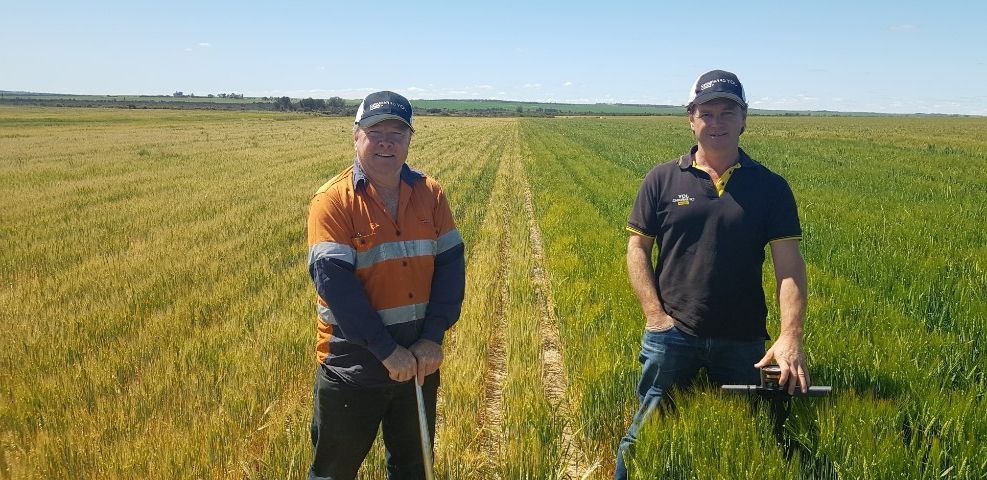
Newdegate, West Australia
The machine was set to rip between 400 mm and 550 mm, mixing the gravel-rich subsoil into the non-wetting sandy top layer.
Visual inspection of the trial strips showed stronger early crop establishment and more vigorous growth on the ripped areas compared to adjacent non-ripped strips. By eliminating the hardpan and creating a more open, aerated profile, the Terraland allowed deeper root penetration and better access to subsoil moisture during dry periods.
Check out all the Wheatbelt, Western Australian results in the download below.
Get Your Lime Working Deeper, Faster
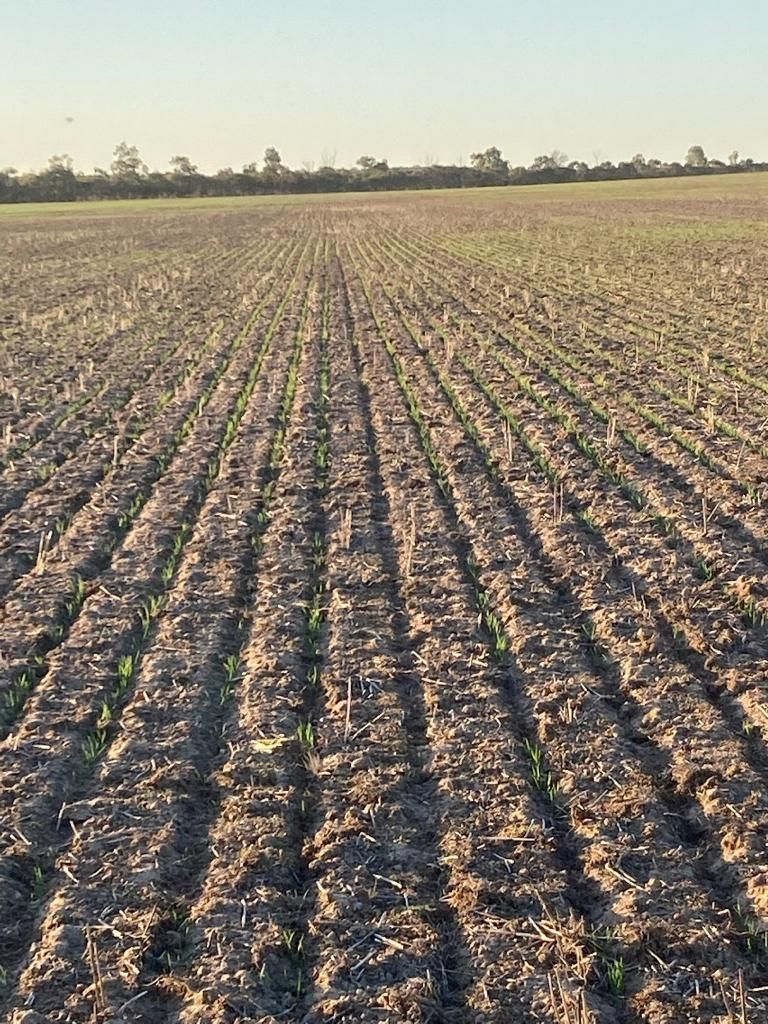
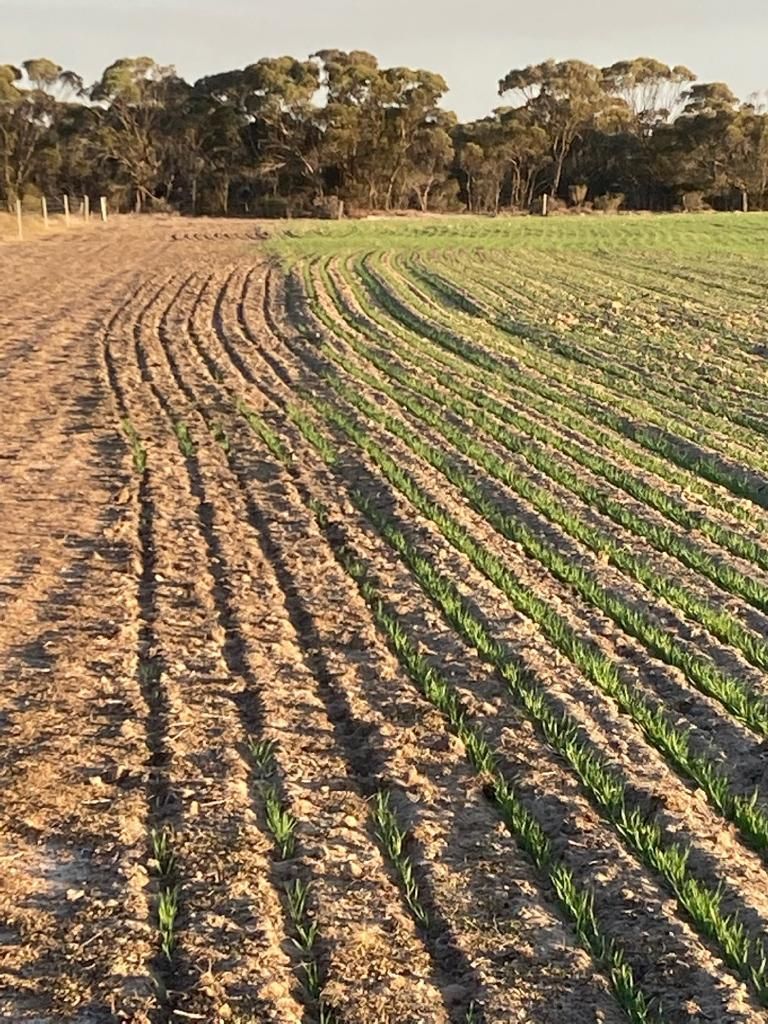
If you’ve been surface-spreading lime for years and still seeing poor root growth, you’re not alone. In WA’s grainbelt, most surface-applied lime moves down the soil profile at a snail’s pace—taking decades to fix acidity below 10–20 cm. That means your crops are still battling toxic aluminium and shallow roots.
Research by G. Azam and C. Gazey shows that traditional surface liming in Western Australia’s grainbelt is too slow to fix subsurface soil acidity, often taking decades to improve pH below 10–20 cm. Much of the lime stays undissolved in the topsoil, limiting benefits to crop roots. Read the CSIRO publication here.
Through field and lab trials, the study found that strategic deep tillage—incorporating lime down to 25–45 cm—can rapidly boost subsurface pH, reduce toxic aluminium, and promote deeper root growth. In some cases, pH improvements of more than 1 unit occurred within two months, compared to only 0.05 units per year with surface application alone.
Even better, deep incorporation can also tackle compaction and water repellence at the same time, giving you a triple win: healthier soils, stronger crops, and better returns on your liming investment.
Bottom line: Don’t wait decades for your lime to work—put it where your roots need it, and see the benefits this season.
Tambellup – Southern WA
Farmer: Rhys Brown
Challenges: Hardpans and waterlogging
Solution: Adopted the Terraland TO chisel plough for soil renovation and amelioration
Results: Improved crop yields and soil structure, addressing issues like non-wetting soils and low topsoil pH.